
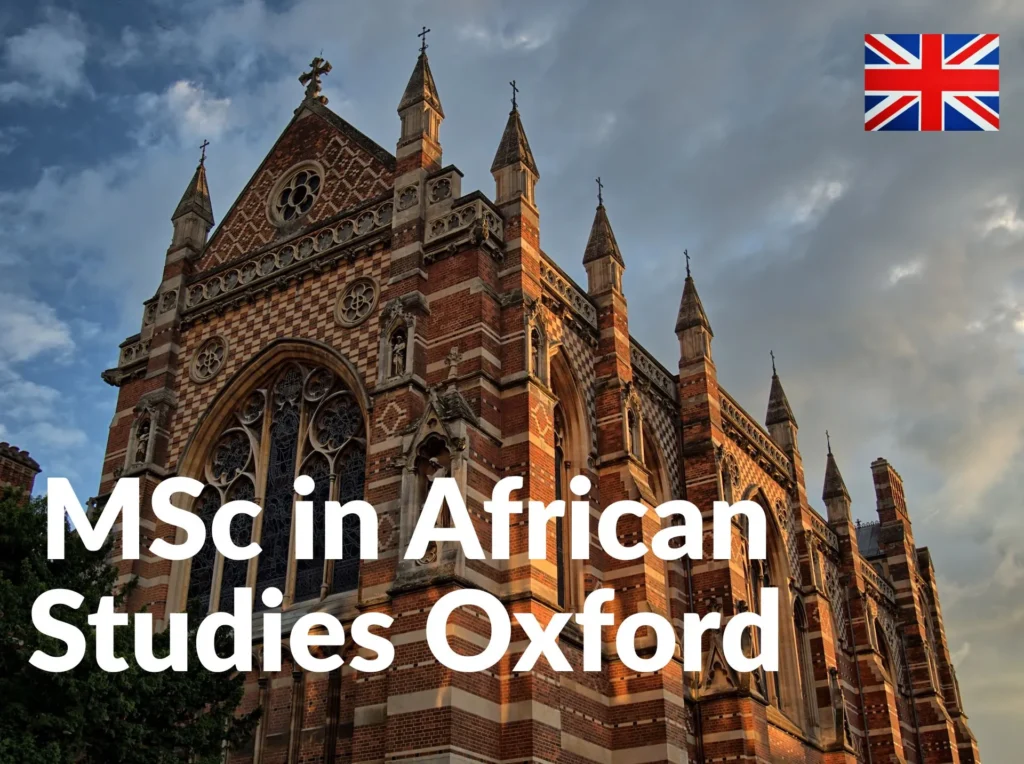
MSc in African Studies Oxford
Oxford University offers a distinctive Master of Science (MSc) in African Studies providing a robust foundation for individuals eager to delve into the complexities of the African continent. This program serves as an invaluable stepping stone for those seeking a comprehensive introduction to contemporary African debates or aspiring to rigorous doctoral research. Oxford’s global recognition in African Studies stems from its long-standing commitment to interdisciplinary scholarship world-class faculty and unparalleled resources. The university’s rich history of engagement with global issues coupled with its dedicated African Studies Center positions it as a leading institution for understanding Africa’s past present and future. This transformative course is ideally suited for a diverse cohort including students specializing in African affairs researchers contributing original scholarship and future policymakers shaping strategies for development governance and international relations. Graduates are well-prepared for impactful careers in non-governmental organizations (NGOs) civil service international organizations, and med ia, or to pursue advanced doctoral studies.
Oxford University admission criteria & process.
Course Overview & Duration
Master of Science in African Studies The masters programme at Oxford University is distinctive with a three term course taught across nine months (full time) starting in October. The programme is structured to provide students a comprehensive knowledge of Africa and offers various theoretical approaches by combining history, politics, social structure and culture. At a full time level you are required to be resident in Oxford University promoting continuous participation and interaction with your peers. Student’s time is normally allocated to six hours of class/lecture attendance each week often supplemented by regular fortnightly meetings with a thesis supervisor. The academic rhythm is complemented by a weekly seminar series in Michaelmas and Hilary terms. It seeks to develop student’s intellectual capacity and skills in order for them to: 1. acquire deep knowledge of the field of African studies historical contemporary and emergent debates as well as the methods employed when conducting research: 2. employ advanced approaches that should be applied to independent research projects: 3 engage new ways of thinking about theory and evidence drawn from Africa and its experience among others. Anticipated outcomes include acquiring critical analytical abilities perspective on literary history and major themes and the tools to make a substantial contribution in their fields of specialization.
More courses at Oxford University:
Why Study African Studies at Oxford University?
Why Oxford for your MSc in African Studies This programme allows you to choose a study pathway that reflects your interests, and it is a unique opportunity to immerse yourself in multidisciplinary study with a prestigious university that has been teaching on Africa since 1885. Its academic rigour and research-led interest range continue to set the university apart ensuring an intellectually challenging environment.
Why study in Oxford University? Top Reason to Choose Oxford
Access to Oxford University African Studies Centre and academic facilities is a critical part of this experience. Students have access to the immense resources of the Bodleian Libraries one of the largest library systems in the world holding over 13 million printed items as well as e-journals and special collections. There is a specialist library and seminar room within the African Studies Centre building that offers our students suitable study facilities and a close-knit academic community. The IT Services at the University also offer full support.
It is far more that only increases your worth professionally empowers networking. This means that graduates have a highly respected qualification from us at LSE and are able to apply for influential positions in international development, policy or academia. Further the program promotes networking opportunities to students through departmental events and access to faculty who are leading Africanists as well as other students and potential scholarly collaborators.
Core Curriculum and Modules
- Core Paper One: Researching Africa: Strategies Methods and Ethics (Michaelmas term) examines diverse research methodologies and strategies emphasizing political and ethical dimensions in African research.
- Core Paper Two: Understanding Modern Africa (Michaelmas term) explores the evolution of African states, colonial rule, social and economic transformations, development dilemmas, and contemporary issues like politics, globalization, and conflict.
Students select two option papers each focusing on a particular theme or discipline. A diverse array of options is available annually allowing for regional or thematic specializations taught during the Hilary term.
Entry Requirements and Eligibility Criteria
| Test | Minimum Overall Score | Minimum Score Per Component |
|---|---|---|
| IELTS Academic | 7.5 | 7.0 |
| TOEFL iBT (including Home Edition) | 110 |
Listening: 22, Reading: 24, Speaking: 25, Writing: 24 |
| C1 Advanced | 191 | 185 |
| C2 Proficiency | 191 | 185 |
| Oxford Test of English Advanced | 165 | 155 |
Application Process and Deadlines
- Official Transcript(s): Academic records from all previous higher education institutions.
- CV/Résumé: Comprehensive overview of academic and professional history.
- Statement of Purpose/Personal Statement: Compelling essay (maximum 700 words) outlining academic interests motivations and aspirations.
- Written Work: Two academic essays, each up to 2,000 words.
- References/Letters of Recommendation: Three academic references.
Fees and Funding
Fee Status | Annual Course Fees (2026-27) |
Home | £21,440 |
Overseas | £38,430 |
Statement of Purpose and Required Documents
Career After MSc in African Studies
- Academia: Doctoral studies (DPhil) in Politics and International Relations Development Studies, History, Anthropology, Geography, or interdisciplinary DPhil in Area Studies (Africa).
- International Development: Roles in international organizations, development agencies, and NGOs.
- Policy and Governance: Positions within government bodies, think tanks, and policy research institutions.
- NGOs and Civil Society: Leadership and program management roles.
- Media and Journalism: Careers in international media outlets specializing in African affairs.
- Other Professional Capacities: Consulting, diplomacy, and cultural institutions.
How to Apply Online
Applications are made via the University of Oxford Graduate Application Form.
Official Oxford University Application Link:
Please follow the “Further Information” link for your course below, to check and locate this page on the Graduate Admissions website in order to complete the online application form at The MSc in African Studies: 2019-2020 page on the Oxford University Graduate Admissions site is already available.
Find out more about your chosen course or refer directly to a specific courses entry with all of its facilities.
Instructions for Form Filing and Submission (A General Instruction):
Registration of an Account: Sign-up on the Oxford Graduate Application System.
Choose Your Program: Select MSc in African Studies.
Fill Out Personal Information: Enter all necessary personal and contact info.
Schooling History: List all former schools attended.
Please include copies of the following with your application:official transcripts, resume/CV, Statement of Purpose and written work.Expressions of interest to be submitted here.DocumentsTo apply please click here.
Referees on Application:Give the details of three academic referees.
English Mention Proficiency: (If applicable, please specify test scores) 5.
Review and Final Submission: Review your information before submitting.
Fee Payment: Pay the application fee as prescribed in the advertisement.
Departmental Contact Details for Queries:
Visit the official website of the African Studies Centre at Oxford University for specific contact details for admissions enquiries.
Conclusion
The MSc in African Studies at the University of Oxford is a taught course aimed at graduate students with a good honours degree from around the world who wish to develop knowledge and understanding of Africa. This multidisciplinary program offers both rigorous academic training and professional skill development, preparing students to become leaders researchers and professionals in the field of African affairs.
The support of leading scholars and access to the resources offered by Oxford are made available to students, who acquire a well-developed understanding of historical perspective and contemporary context in Africa. Graduates pursue careers in academia, international development, public policy, NGOs and media that make a difference.
Prospective candidates are encouraged to apply early – particularly by the Jan dealine- in order to maximize opportunities for admission and financial aid.
Begin your Oxford journey today and take the next step toward shaping the future of African Studies.